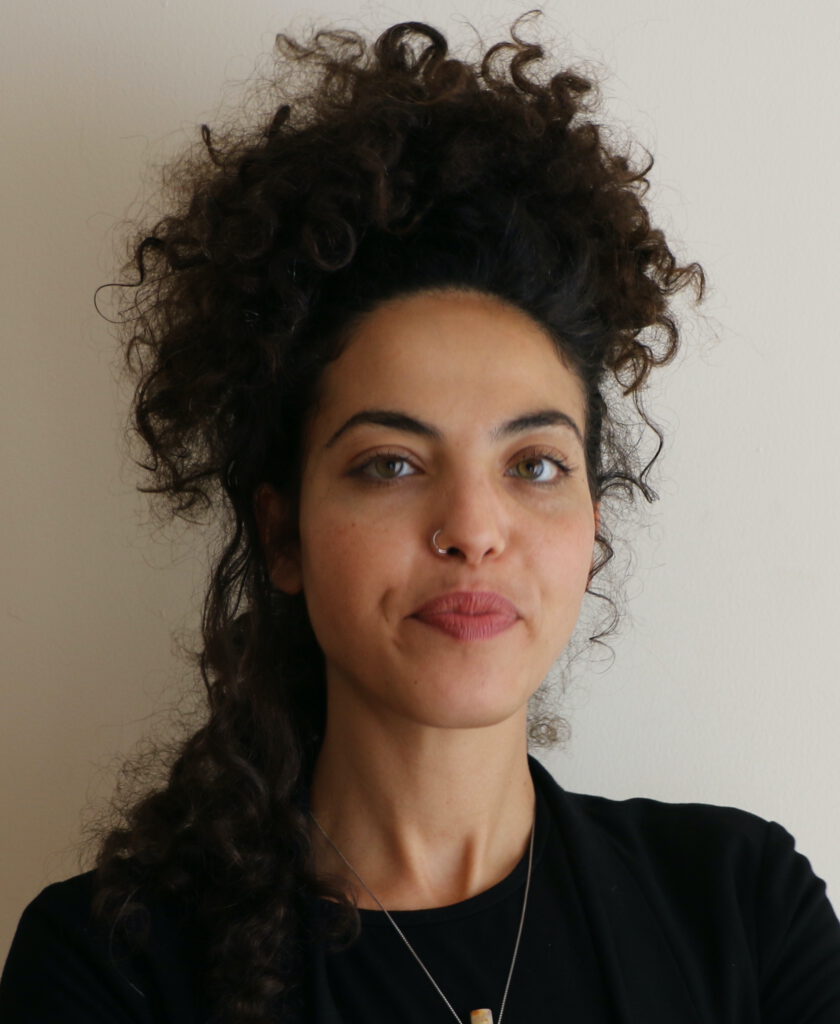
Dr. Hiba Boujnah
 Germany
PROFESSIONAL SUMMARY
imageSenior global health strategist with expertise in health policy, health diplomacy, strategic partnerships and the integration of Traditional, Complementary and Integrative Medicine (TCIM) within health systems. Experienced in leading international collaborations, multi-stakeholder engagement and policy initiatives across governments, the United Nations system, academia and civil society. Proven ability to translate complex evidence into strategic action, build consensus across diverse stakeholders and navigate multicultural and intergovernmental environments. Fluent in Arabic, French, English and Spanish, I combine strong analytical, negotiation and communication skills with a collaborative leadership style, strategic thinking and a results-oriented approach to advancing global health priorities.
WORK EXPERIENCE
imageHead of WHO Collaborating Centre | Charité Competence Center for Traditional and Integrative Medicine (CCCTIM), Charité – Universitätsmedizin Berlin | Jan. 2024 – Present
– Lead the strategic and operational implementation of the WHO Collaborating Centre programme of work, ensuring delivery of the Centre’s Terms of Reference and contributions to the WHO Traditional Medicine Global Strategy 2025–2034.
– Serve as the principal focal point for collaboration with WHO Headquarters, the WHO Global Traditional Medicine Centre (GCTM), WHO Regional Offices and the global network of WHO Collaborating Centres, coordinating technical cooperation and institutional engagement.
– Lead the development of WHO technical deliverables, including policy analyses, evidence syntheses, technical consultations, expert meetings and international capacity-strengthening initiatives supporting Member States and WHO priorities.
– Convene and facilitate high-level international policy dialogues and multi-stakeholder partnerships involving governments, United Nations agencies, academia, professional societies and civil society to advance evidence-informed Traditional, Complementary and Integrative Medicine (TCIM).
– Represent the WHO Collaborating Centre in international policy and technical forums, providing strategic advice and fostering collaboration across governments, academic institutions and global health partners.
Senior Public Health Officer | The World Health Organization (WHO) seconded to the African Union Commission (AUC) | Jan. – Dec. 2023
Addis Ababa, Ethiopia
– As the first secondee from the WHO to the AUC, my overall goal is to strengthen the relationship between the two entities.
– Provided technical guidance across various areas including Diseases (TB, malaria, HIV/AIDS), Health system strengthening (immunization, traditional medicine, UHC), and operationalizing the African Medicine Agency (AMA).
– Aligned WHO’s expertise with AUC’s needs to drive the implementation of pivotal health policies, streamlining WHO’s policies and AUC’s health strategies.
– Led and initiated efforts to address health within the Humanitarian Development Peace Nexus (HDPN) in Africa, spearheading the launch of the initiative. This is a translation of the global WHO Global Health and Peace Initiative.
– Enhanced collaboration and communication between WHO and AUC under the MoU, fostering coordination and effectiveness in achieving joint health goals.
Freelance Public Health Consultant | 2022-2024
Global Health Strategies (GHS): Senior Consultant in high level events and Stakeholders engagement.
Carthage Health Association (CHA): Lead research Consultant on Mental Health & Media Literacies.
Technical Officer | Africa Centres for Disease Control and Prevention (Africa CDC) | Aug. 2021 – Sep. 2022 Nairobi, Kenya
– Focused on vaccine equity and pharmaceutical manufacturing capacity in Africa:
– Strategic engagement with the African Union (AU) COVID-19 Special Envoy and AU Policy Organs to advocate for vaccine equity through AVATT and COVAX, while fostering increased manufacturing capacity.
– Managed diplomatic partnerships and supported resource mobilization for cold chain strengthening.
– Led the development of strategic communication, technical material, and diplomatic documents.
– Ensured representation and engagement at high-level meetings and summits, with responsibility for coordinating follow-ups on pledges and agreements as needed.
Evaluation Consultant | International Business & Technical Consultants, Inc. (IBTCI) | Sep. – Oct. 2021
Remote
– Conducted the evaluation of $11 million USAID/Tunisia’s COVID portfolio.
Public Health Analyst | The World Health Organization (WHO) | Feb. – Aug. 2021
Harare, Zimbabwe
– Implemented COVID-19-related tools in Kenya and Zambia.
– Contributed to the drafting of the successful e-Health Bill in Kenya.
– Reviewed strategies on Sexual and Reproductive Health Rights and Civil and Reproductive Vital Statistics.
– Drafted and validated M&E plans, annual health sector performance reports, health policy strategic plans, etc.
Technical Advisor (Lead Epidemiologist) | The Carter Center (TCC) – Guinea Worm Disease (GWD) Eradication Program | Mar. – Dec. 2020
Sarh, Chad
– Restructured the team, expanding it over fourfold and increasing female participation from 10% to 25%.
– Led a team of 125 agents and 800 volunteers, consistently achieving monthly targets for rumors and infection containment.
– Investigated and managed two out of the 12 human cases reported worldwide in 2020.
– Received the first official appreciation letter in the program’s history from the Governor of Moyen Chari.
– Provided substantial support to the Ministry of Health (MoH) in Polio and COVID-19 responses.
– Successfully developed, monitored, and ensured timely financial reporting of $330K field budgets in cash.
Public Health Analyst – National Public Health Institute Team (NPHI) | Centers for Disease Control and Prevention (US CDC) | Jan 2018 – Feb 2020
Atlanta, USA
Led the first NPHI mission in Guinea facilitating discussions and identifying bottlenecks.
– Pioneered the NPHI Information Management and Sharing system, transitioning from collective memory.
– Played a vital role in the Ebola Response, conducting qualitative data analysis, producing bilingual reports, and developing curricula.
– Crafted the NPHI 2030 business plan, focusing on data visualization for decision-makers, and introduced a branded NPHI Toolkit.
Policy Analyst – Office of the Associate Director for Policy and Strategy (OADPS)
Project: The Medicaid and Medicare Services (CMS) Accountable Health Communities (AHC) Model
– Supported 42 grantees in creating Community Need Assessments, Gap Analyses, and Quality Improvement plans to address Social Determinants of Health (SDoH) among CMS beneficiaries.
– Facilitated collaboration between CDC Subject Matter Experts (SMEs) and grantees for technical support.
– Orchestrated an in-person convening for project stakeholders, including CMS, private health insurance, the private sector, and the government.
– Expanded the project’s scope through strategic mapping of SDoH initiatives and funding opportunities.
Consultant | Tunisian Center for Public Health (TunCPH) | Oct 2017 – Mar 2020
Organized a UHC roundtable as part of the National Dialogue in Tunisia for Universal Health Coverage (UHC2030).
Developed a Policy Brief on the cost-effectiveness of HPV vaccine introduction in Tunisia, used to commemorate International HPV Awareness Day. This initiative brought together the Ministry of Health (MoH) and relevant Civil Society actors.
Research Consultant | Movendi International | Jan. – May 2017
Remote
– Alcohol Best Buy Policy: Developed a Policy Brief on the impact of alcohol use among teenagers, women, and the economy in Uganda for the Uganda Alcohol Policy Alliance (UAPA) to support the National alcohol policy bill.
Health and Wellness Intern | International Rescue Committee (IRC) | Oct. 2016 – Sep. 2017
Atlanta, USA
Pioneered the first culturally sensitive oral health promotion course for IRC clients.
– Co-designed and conducted Mental Health screenings focused on Gender-Based Violence prevention.
– Participated in a state-wide steering committee aiming to address Domestic Violence among refugees.
– Conducted intensive case management for single mothers and referred them to social and clinical services.
Thesis Researcher | University of Monastir- School of Dental Medicine | Nov. 2015 – Apr. 2016
Monastir, Tunisia
– Conducted a comprehensive systematic literature review on Electronic Health Records (EHR) and Electronic Dental Records (EDR) implementation in developed and developing countries.
– Distilled lessons learned from successful and unsuccessful EHR and EDR implementations worldwide, considering technological, cultural, and socioeconomic factors.
– Authored a thesis presenting key findings, lessons learned, and recommendations to enhance the understanding and implementation of EHR and EDR systems and to advocate for their adoption at the Dental Clinic of the University of Monastir- School of Dental Medicine.
Public Health Dentist | The Tunisian Association of Pediatric Dentistry (ATOP) | Sep. 2014 – July 2016
Different locations, Tunisia
– Advocated for better oral care access in remote areas in Tunisia through free-of-charge consultations and MoH advocacy.
Dentist | The Tunisian Ministry of Public Health | Sep. 2014 – Oct. 2015
Tunisia
Medical Coordinator | Lions Club International | Jun 2011 – Dec 2012
– Managed and coordinated health-focused interventions and projects in refugee camps in different locations in Tunisia.
EDUCATION
Exec. Masters in Global Public Diplomacy and Sustainable Development, LUISS School of Govt./UNITAR | Oct ’22
Italian MoFA Scholarship for African Diplomats
MPH in Management and Policy, GSU, USA | May ’18
Fulbright Scholar | GPA: 4.0
DMD, Univ. of Monastir, Tunisia | Apr ’16